Focused Solutions Review of Top Products Offering Targeted Relief for Joint Pain
Living with joint pain changes your calendar. Watch this video review of Balmorex Pro, with supporting context, key considerations and practical takeaways from the accompanying article.
Living with joint pain changes your calendar. You stop planning around workouts, you start planning around stiffness. Some mornings you can feel it in the hinge points, the knuckles that never quite loosen, the knee that feels slightly tighter after you’ve been sitting. Other days it flares after a long walk or a busy afternoon of chores. The pattern is frustrating because the pain feels personal, but the solutions online often feel generic.
That's why I'm drawn to products built around targeted relief for joint pain, especially topical treatments. When the discomfort is localized, a cream or gel gives you a way to work where it hurts, instead of hoping a one-size-fits-all approach catches every joint in your body. Below is a practical review of the kinds of options that tend to perform best, including where Balmorex Pro fits into the picture based on real-world expectations.
Why Targeted Joint Pain Relief Creams Can Feel Different
Topical joint pain products don't replace medical care, but they can change how you manage symptoms. The big advantage is proximity. Instead of waiting for something to circulate, you’re applying treatment directly to the area you’re guarding.
From my experience helping friends compare products, the most useful distinction is whether a cream is designed to address pain and stiffness at the surface layers, versus being mostly moisturizing with a mild scent. You’ll notice it in how the effect feels over time. Stronger formulas often bring warmth, cooling, or a “worked-in” sensation within the first hour. Mild ones can still help, but they’re more likely to function as comfort support.
A few practical factors matter when you’re searching for targeted joint pain relief creams or topical treatments for joint pain:
- Joint location changes everything. A knee, shoulder, or hand can respond differently to the same product. Skin thickness and how much you move after applying it both matter.
- Consistency beats intensity. A product that's too aggressive can irritate skin and end up limiting how often you can use it.
- Application technique matters. Thin, even coverage usually performs better than piling on, especially for creams that need to absorb.
If you’ve ever applied a product and felt nothing, it's worth checking whether you used enough, rubbed it in fully, and allowed time before showering or wiping the area.
A Note on Expectations That Saves People Time
“Targeted” does not mean instant relief like a switch. Many people feel a reduction in stiffness first, and only later notice pain relief. For flares tied to activity, that timing can be the difference between resuming normal movement and staying cautious.
Top Topical Options for Joint Pain, and How They Really Stack Up
Not every topical treatment is built for the same kind of discomfort. Some are best for everyday stiffness, others are better suited for flare days. Here's how the leading categories tend to compare, and what I suggest people watch for.
1) Balmorex Pro and Focused Relief for Specific Joints
Balmorex Pro is often discussed in the context of Balmorex Pro targeted relief benefits, and that emphasis on focus is what matters most when your pain is localized. The goal is to provide targeted comfort where you apply it, rather than leaving you dependent on system-wide relief.
In day-to-day use, what typically makes Balmorex Pro feel worthwhile to buyers is the way it fits into a routine. People tend to treat it like a pre-planning step. They apply it before an activity that usually triggers stiffness, or they use it during the evening to support calmer movement the next morning.
I also hear the same pattern from people who stick with it: the relief is not just about the immediate sting or cooling sensation, it's about whether the product helps them feel more “available” to move. That matters for hands when gripping, for knees when climbing stairs, and for shoulders when reaching overhead.
If you’re trying to find the best creams for specific joint pain, this “routine fit” is a key differentiator. A good targeted product can become part of your coping strategy, not just an experiment you give up on after two uses.
2) Warming Gels for Stiffness After Sitting
Some topical treatments lean toward warmth, which can be comforting when joints feel locked after periods of inactivity. Warming products often help people feel more flexible, especially when the pain is tied to stiffness rather than sharp inflammation.
The trade-off is that warmth can be too much for sensitive skin or for people who already run hot. If you’ve noticed that heat worsens your discomfort, avoid doubling down with warming products.
3) Cooling Creams for Flare Days
Cooling formulas can feel like relief on demand. They’re popular when pain spikes after an active day, because the sensation can interrupt the cycle of irritation. Cooling is not always the best choice for long-term stiffness support, but it can be very helpful for those “today is worse” moments.
If you use cooling products, the best practice is to pay attention to timing. Use them when you need symptom control, not necessarily as your only daily support.
4) Anti-inflammatory Style Topicals
Some topical treatments are marketed with anti-inflammatory intent. In practice, what people report varies, especially across joint types. Knees and shoulders may respond more noticeably due to greater surface area, while hands can be trickier because you’re constantly washing, touching, and wiping.
This is where application technique becomes a real advantage. If your hands are the target, consider applying after you wash and before you plan to be less hands-on for a short window.
5) Combination Approaches with Careful Spacing
Many people end up using more than one product type, especially when one joint behaves differently from another. The risk is layering too many actives and irritating skin.
A safer approach is to pick one “primary” product for the day, and only add a second type if you can space it out and keep your skin calm.
How to Choose the Right Product for Your Joint Pain Pattern
You don't need a dozen trials. You need a smart short list based on your pain pattern and your skin tolerance.
I’ve found it helps to ask these questions before you buy:
- Is your pain mostly stiffness, mostly soreness after movement, or sharp flare pain?
- Which joint is the priority right now, and how accessible is it to apply cream?
- Do you prefer warming, cooling, or neutral feel?
- How sensitive is your skin to fragrance or strong ingredients?
- Can you realistically apply it consistently, even on busy days?
Skin Comfort Matters More Than You Think
The best cream in the world won't help if it makes your skin angry. If you notice redness, burning, or persistent itching, stop and reassess. I’ve seen people push through discomfort and then lose the benefit entirely because they can't use the product again.
Using Topical Treatments for Joint Pain the Smart Way
Even the best targeted joint pain relief creams can underperform if you apply them like a body lotion. Joint pain products tend to work better when you treat application as part of the treatment itself.
Here are a few practical tips that make a noticeable difference:
- Apply to clean, dry skin, ideally right after a shower or wash.
- Use enough product to cover the area evenly, then rub in thoroughly.
- Let it fully absorb before covering with clothing or gloves.
- Wash hands after applying unless your hands are the target joint.
- Track what happens for 3 to 7 days, since many people feel stiffness improvements before pain fully settles.
If you’re reviewing Balmorex Pro targeted relief benefits for your own use, treat it like a short experiment with guardrails. Keep your routine steady, apply at the same time of day, and avoid switching products mid-week unless you’re reacting badly to the skin feel.
Where Targeted Products Can Fall Short
Topical treatments are best when the pain is localized and you can apply it directly. They’re not ideal for widespread body aches, and they can't correct mechanical issues that drive pain, like unstable joints or poor biomechanics. If your pain escalates, brings swelling you can't explain, or interferes with daily function, you need a clinician's input.
That said, for many people, the right topical product offers something valuable: a controllable step. Not a miracle, but a way to stay moving instead of bracing for the next flare.
Focused solutions work best when they respect your actual pain pattern. Whether you land on Balmorex Pro or another topical treatment for joint pain, aim for consistent, joint-specific comfort that you can realistically maintain through real days, not just good intentions.
Related video pages
 2:02Backache Cream Reviews Which Products Offer the Best Pain Relief
 2:10Is This Joint Pain Treatment Cream Really Effective an in Depth Review
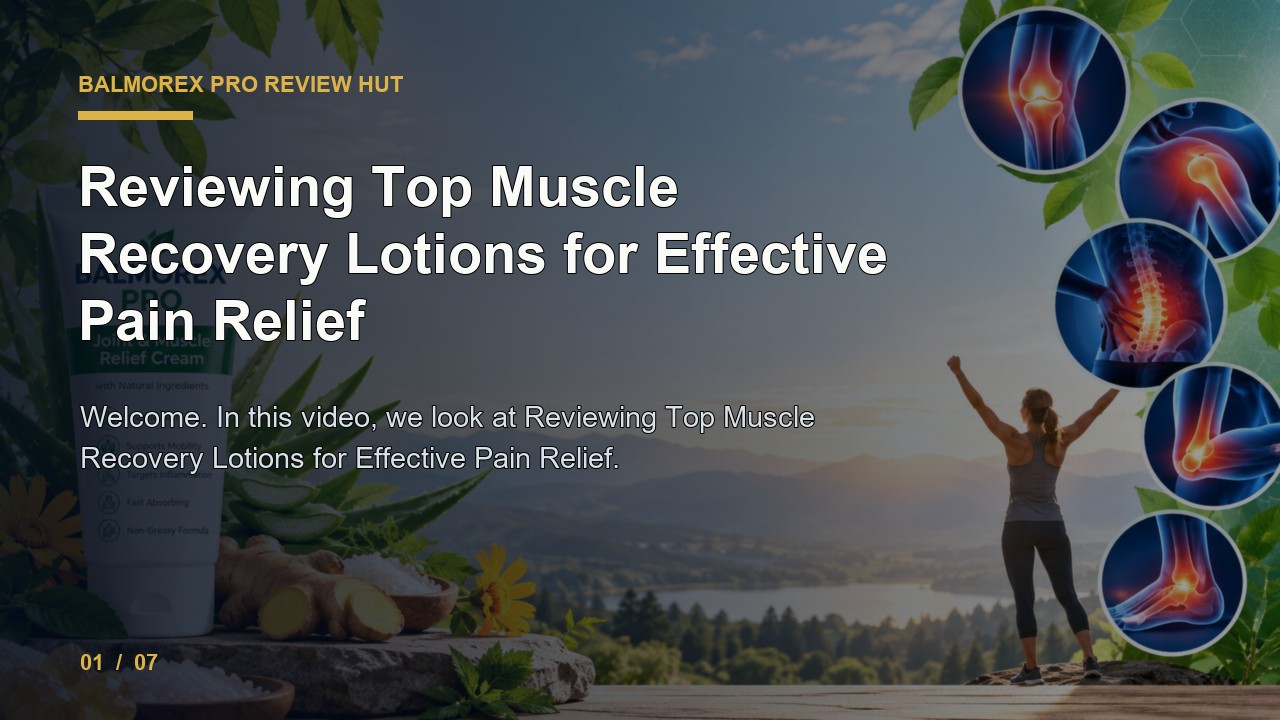 2:22Balmorex Pro Review: Reviewing Top Muscle Recovery Lotions for Effective Pain Relief
 2:53Boswellia Cream Review Is It Effective for Arthritis and Joint Pain
 2:18Is Balmorex Pro Worth Buying at Discounted Prices an Honest Review
 2:16Herbal Pain Creams a Review of the Most Effective Natural Options