Pain Relief User Reviews Are Natural Creams More Effective
When someone is in pain, they don't want theory. Watch this video review of Balmorex Pro, with supporting context, key considerations and practical takeaways from the accompanying article.
When someone is in pain, they don't want theory. They want to know what actually helped, and what didn't. That's why pain relief user reviews can feel so persuasive. They’re often the first place people look after they’ve tried rest, heat, over the counter options, or at least changed their routine.
But reviews can also be messy. Two people can buy the “same” natural cream and use it on totally different problems, with different expectations, different skin sensitivity, and different timelines for how long they waited before judging results.
I’ve seen that firsthand while helping friends and family compare products for sore shoulders, irritated knees, and the stubborn ache that hangs around after a long week. Some reviews sound like they’re describing a miracle. Others read like a warning. The truth usually sits somewhere in between, and it often comes down to how well the product matches the pain pattern.
Why Reviews Feel Convincing, but Aren't Always Comparable
User experiences with herbal pain relief are real, but they don't travel with the details you would want in a clinical setting. In practical terms, the “effectiveness of natural ingredients” depends on variables people may not mention.
Here are the most common reasons reviews look contradictory:
- Different pain sources. A calf ache from overuse can respond differently than nerve-type pain or inflammatory flares.
- Different application habits. One person rubs for 30 seconds and moves on, another massages for several minutes and re-applies consistently.
- Different expectations. Some people want a quick numbing effect, others want gradual improvement over days.
- Different timelines. Natural creams often get judged too quickly, or sometimes judged after a person has already stopped using them.
- Different skin tolerance. Irritation from an herb or essential oil blend can make pain feel worse, even if the ingredient list looks strong.
This is where the phrase natural pain cream reviews can mislead. You might read “didn't work” and picture a useless formula, when the real issue was how the cream was used, or whether it fit the cause of the pain.
A Lived-experience Example: the “Same Ache” That Wasn't the Same
A friend once told me a certain herbal cream failed them “completely.” They had used it once or twice on a knee that had been stiff for months. Another friend had similar discomfort, but their pain was more recent, tied to increased walking, and they applied the cream several times a day with consistent massage. The second person reported relief, not instant disappearance, but noticeable comfort within a couple of days.
Neither experience was fake. They just weren't describing the same situation.
What Natural Ingredients Can Realistically Do for Pain
When people ask whether natural creams work, they’re usually asking one of two questions: Do they reduce pain, or do they replace other treatments? Most realistic results fall closer to pain reduction, especially for sore, tight, overworked tissues, rather than a guaranteed cure.
Natural blends commonly aim to soothe through a few pathways, such as warming, cooling, and anti-inflammatory support. That can be helpful for muscular aches, joint stiffness, and post-activity soreness. But pain is not one thing. Some pain responds best to topical action, while other pain needs targeted care.
Even within “natural,” not every ingredient behaves the same on skin. Some people feel warming or mild tingling, which can be comforting and distracting from discomfort. Others are sensitive to fragrances or botanical extracts, and that sensitivity can create a burn-like feeling that they interpret as pain worsening.
If you read user experiences with herbal pain relief, it helps to identify whether the review is describing: - a soothing sensation, - a change in range of motion, - or an actual decrease in pain intensity.
Those are different outcomes, and they can happen on different timelines.
How Long to Wait Before Judging a Natural Cream
In my experience, people who get the best results are usually the ones who treat it like a short routine, not a one-time test. A reasonable approach is to give the product a fair trial for consistent use for several days, while you also track what you’re feeling after each application.
That doesn't mean ignoring red flags like itching, swelling, hives, or worsening pain. Stop if your skin reacts. But don't also throw the cream out after one use because the pain didn't vanish before the next morning.
Reading Reviews Like a Pro: What to Trust and What to Filter Out
You can learn a lot from pain relief user reviews, as long as you read them with a filter. I tend to look for patterns rather than single testimonials.
The most useful reviews usually include: - the pain location (knee, shoulder, lower back), - the type of discomfort (soreness, stiffness, sharp pain, throbbing), - how long they’ve had it, - how often they applied the cream, - and whether they noticed any skin reaction.
Less useful reviews often skip all of that and focus only on outcome. “Worked” or “didn't work” is too vague to compare.
Here's the filter I use when scanning best natural pain treatments conversations:
- Consistency in application: frequent use beats occasional use in most topical routines.
- Match to pain type: soreness after activity tends to be more responsive than deep nerve-like pain.
- Sensation description: warming, cooling, numbness, or “just soothing” tells you how the product may behave for you.
- Timeline clues: relief within a day or two is different from relief after a week of steady use.
- Skin tolerance: irritation reports can be as important as pain relief reports.
This is also where “natural” can become a trap. A cream can be effective for some people and still be wrong for you if your skin is reactive. In herbal blends, sensitivity is not rare.
Where Natural Creams May Fall Short, and What to Do Then
Natural doesn't automatically mean gentle, and effective doesn't automatically mean suitable. If someone tries a natural cream and gets no improvement, the next step is usually not another random product. It's adjusting the plan.
Sometimes the issue is that the cream targets surface discomfort, while the pain you feel is coming from deeper structures or irritated nerves. In those cases, the cream can provide temporary comfort, but it may not change the underlying driver.
In other cases, the cream may be fine, but the routine is off. I’ve seen people apply too little, too rarely, or without any massage, then blame the ingredient list. Topical products often need contact time and consistent technique.
If you’re deciding based on natural pain cream reviews, it can help to ask yourself a few practical questions before buying again:
- Does the reviewer mention how many times they used it per day?
- Did they apply it after movement, before movement, or both?
- Did they describe skin comfort or irritation?
- Did they talk about how their pain changed, not just whether they liked the smell?
If the reviews you’re reading sound like they’re talking about different experiences than yours, it might be time to pivot away from “more natural creams” and toward a more structured plan that matches your pain pattern. And if pain is severe, spreading, accompanied by numbness or weakness, or worsening despite self-care, it's worth getting professional guidance.
Natural creams can be a useful tool, especially for everyday aches, but the goal is comfort you can rely on, not hope that keeps you guessing.
Related video pages
 2:35Are Fast Pain Relief Creams Worth It an Honest Review
 2:16Herbal Pain Creams a Review of the Most Effective Natural Options
 2:53Boswellia Cream Review Is It Effective for Arthritis and Joint Pain
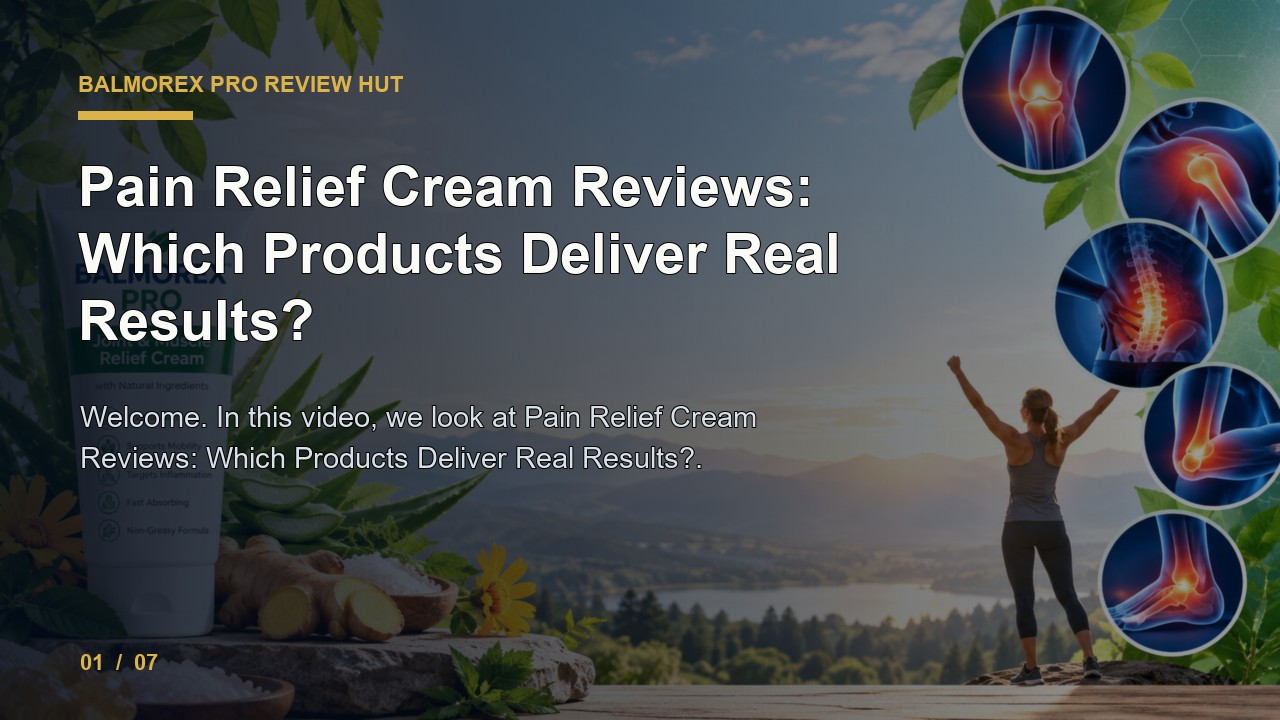 2:41Pain Relief Cream Reviews Which Products Deliver Real Results
 2:27Balmorex Pro Official Website Review Features Offers and User Experience
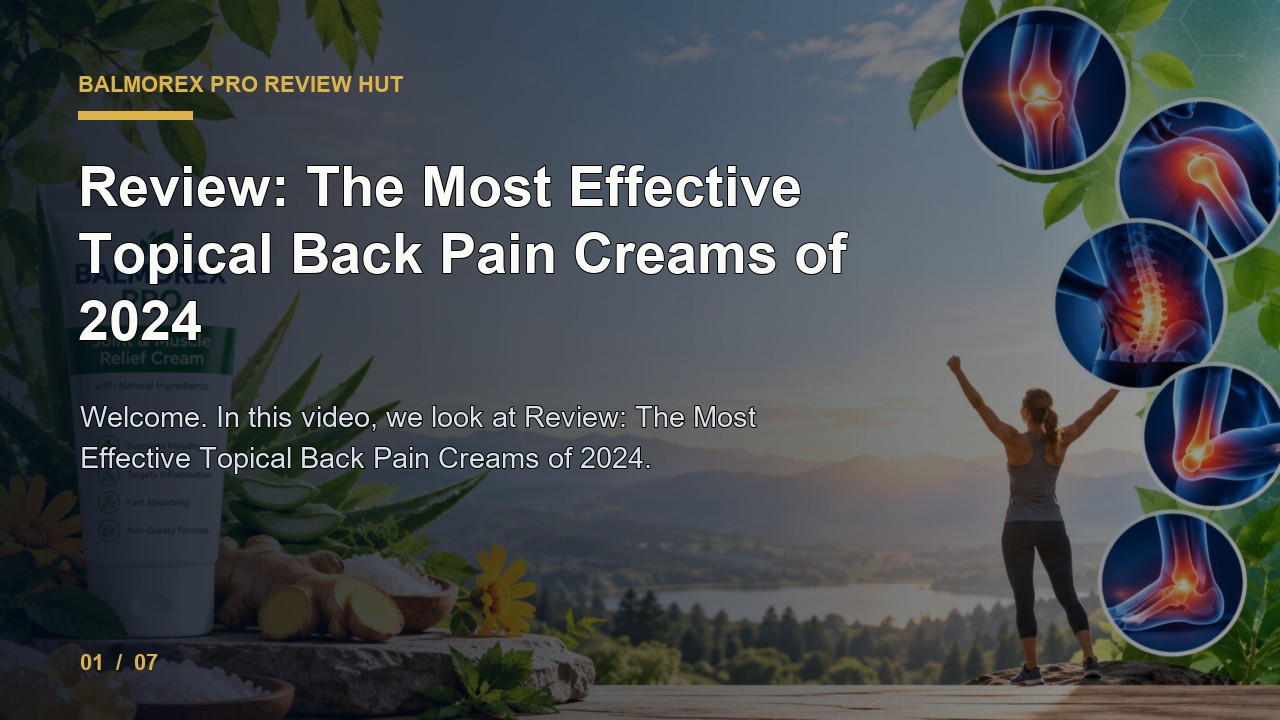 2:48Review the Most Effective Topical Back Pain Creams of 2024