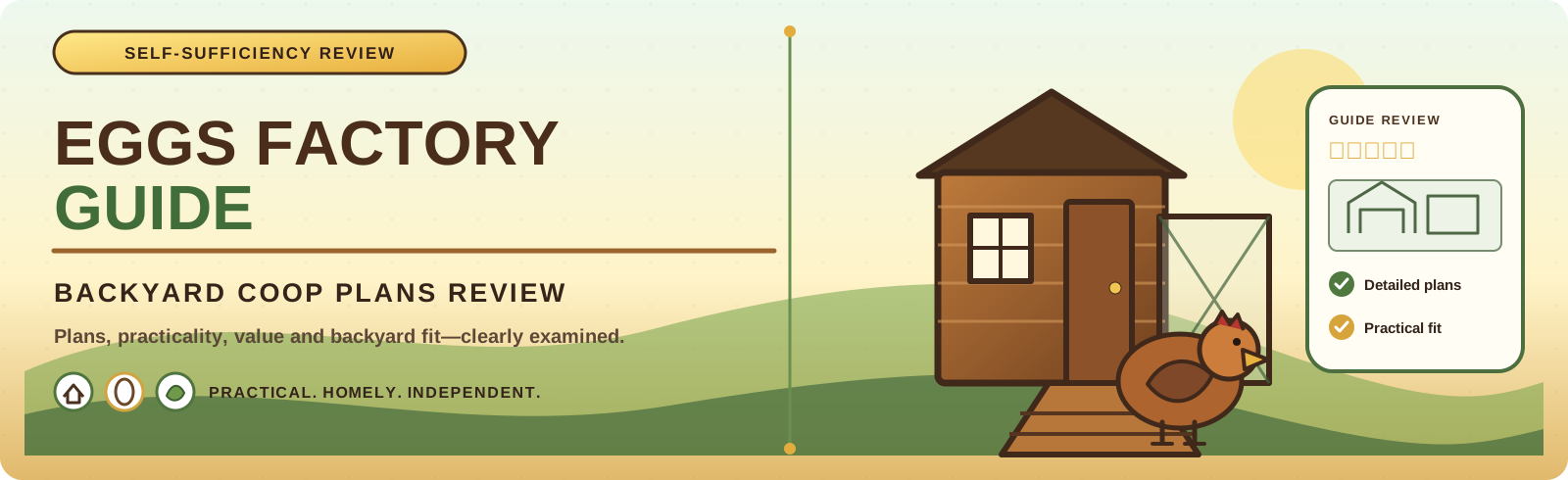
Chicken Coop Guide Review Best Resources for Diy Backyard Chicken Housing
Building a coop is one of those projects that looks simple in sketches and turns complicated the moment you measure your yard, choose your birds, and realize how…
Building a coop is one of those projects that looks simple in sketches and turns complicated the moment you measure your yard, choose your birds, and realize how much weather actually matters. I’ve seen plenty of backyard setups that started as “it’ll be fine,” then slowly became drafts, damp corners, and fences that no longer kept trouble out. The good news is you can avoid most of that stress by choosing solid chicken coop plans and using a guide that thinks through the details, not just the walls.
When I review chicken coop guide options for DIY chicken housing, I focus on the same things I wish every first time builder knew: whether the plan matches your flock, if it includes realistic ventilation and cleaning, and if the instructions are specific enough that you can build confidently on a weekend. This is a chicken coop guide review, but it's really about helping you pick resources you can trust, then translate them into a coop your chickens will use and you can maintain.
What to Look for in the Best Chicken Coop Guides
A “great plan” isn't just a pretty diagram. It's a set of decisions made in advance so you do not have to improvise when the wood is already cut. When I compare different easy coop building guides, these are the criteria I use.
First, the plan should clearly state how much floor space it assumes. Most backyard coops need to work for the size of birds you plan to keep, and it should also account for how much time they spend inside. If a guide gives one generic number without explaining the reasoning, you may end up with a cramped layout or an overly large one that is harder to keep dry.
Second, look for ventilation that is both intentional and protected. Many coops fail because owners rely on a single window or leave an opening uncovered. Chickens tolerate cold better than damp. If the guide shows airflow near the roofline with a way to keep rain out, that matters more than decorative vents.
Third, pay attention to how the guide handles cleaning. A coop is a small building that you will open and maintain frequently. If the plan relies on you reaching into awkward corners or scraping down a fully enclosed floor, you’ll feel it after the first messy season.
Finally, the best DIY chicken instructions include the “what can go wrong” section, even if it's only a few lines. You want notes about predator protection, hardware choices, and how to prevent draft lines or wet bedding zones.
Quick Checklist Before You Commit to a Plan
- Floor plan includes nesting, roosting, and access paths for cleaning
- Ventilation strategy is explained and weather protected
- Predator barriers are addressed with specific material guidance
- The guide matches your flock size and growth timeline
- Build instructions include measurements or cut lists, not vague directions
That checklist alone helps you sort high-quality resources from ones that are likely to leave you guessing.
My Review Approach: Matching Plans to Your Backyard Reality
Chicken coop plans can look great on paper, but your site decides how the coop performs. When I'm evaluating resources, I ask a few practical questions, because those questions show whether a guide has been written with real builders in mind.
Site Fit: How the Plan Accounts for Your Yard
A plan designed for a flat, open lot may not work well if your backyard is shaded most of the day, or if water gathers where you'd naturally place the coop. A strong guide will discuss placement basics, including how to keep drainage in mind and how to orient openings to reduce direct rain exposure.
If you live where winters are windy, it helps when a guide suggests how to shield walls or where to place ventilation openings to avoid direct blasts of cold air. If you live where summers are humid, the guide should emphasize airflow and bedding management rather than relying on “more insulation” as the main fix.
Flock Fit: How the Plan Handles Roosting and Nesting
Backyard chicken design tips often focus on the aesthetics, but roost and nest dimensions are where daily comfort lives. The best plans specify roost height and spacing, then explain why. The same goes for nests. If nests are too cramped, hens will avoid them, then lay elsewhere. If nests are too exposed or drafty, you’ll get stress, not just mess.
I also look for guidance on what happens if your flock changes. A guide that includes optional expansions, or that explains how to scale interior space, prevents the common mistake of building something “just big enough” and then regretting it.
Build Fit: How Realistic the Instructions Are
A plan that assumes perfect tools and advanced carpentry is not an easy coop building guide, even if the design is sound. I like resources that break tasks into stages: frame, roof, walls, run, hardware, bedding strategy. When the instructions are clear about sequence, you get fewer rework moments. You also get a coop that actually matches the measurements on the page.
Best Chicken Coop Guides for DIY Backyard Housing (What Stands Out)
There are many chicken coop guide review-style recommendations online, but what matters is how the resources behave when you’re building. Below are the categories of guides that consistently earn my trust based on how they handle the hard parts.
Plan-based Guides with Cut Lists and Clear Dimensions
These are the guides I recommend when you want DIY chicken coop instructions that feel executable. The hallmark is specificity, especially for framing, hardware placement, and nesting setup. If a guide includes a cut list or at least clear measurement callouts, you spend less time measuring twice and cutting once with uncertainty.
Trade-off: these plans can feel strict. If your yard conditions differ, you may need to adapt roof pitch or placement, and that adaptation is easier when the guide explains the “why,” not just the “what.”
Guides That Emphasize Ventilation and Moisture Control
Some coop resources focus heavily on airflow design, roofline venting, and how to prevent damp corners. Those are worth prioritizing because moisture is the silent problem that turns a decent coop into an unpleasant one.
Trade-off: these guides sometimes require you to think beyond the basic shell. You may need to refine insulation placement or choose bedding and cleaning routines that match the ventilation strategy.
Guides That Treat Predator Protection as Part of the Design, Not an Add-on
The best resources show predator prevention as a systems issue: how the run connects to the coop, what happens at the bottom edge, and what mesh size is used where. They also discuss how to secure access doors and how to keep gaps from forming over time as wood seasons.
Trade-off: these guides can increase material costs. The benefit is fewer surprises when local animals test fences.
“Build Along” Resources That Reduce Decision Fatigue
Sometimes the most helpful resource is one that walks you through stages and checkpoints. You still use your own measurements, but the guide reduces the number of choices you must make mid-project.
Trade-off: if you’re the type who likes to customize everything, build-along guidance may feel limiting. In that case, you’ll want a plan that provides a base design plus optional upgrades.
Backyard Chicken Design Tips That Should Be Reflected in Your Plans
Even the best chicken coop guide review cannot remove the need for good judgment. Here are a few backyard chicken design tips I use to sanity-check any plan before I cut lumber.
First, think about airflow paths. A coop can be “vented” and still trap damp air if the openings don't work together. Look for a design where fresh air can enter without rain penetration and stale air can exit near the top.
Second, plan for bedding and litter access. A coop that's hard to clean will eventually get neglected, and neglected coops develop stronger odors and damp patches. If a guide shows a clean-out method, a removable tray, or a layout that makes reaching corners reasonable, you’ll thank yourself.
Third, make sure nesting is not just placed, but protected. Nest areas should feel quieter and less exposed to direct drafts. Some plans offer nest boxes that open from the outside or include a simple inspection method. Those features save time, and they help you manage egg collection without chasing hens around.
And fourth, verify the run connection. People often build the coop beautifully and then attach the run in a way that leaves weak points. A good guide clearly shows how the boundary system ties together, and how to keep bottom gaps from becoming entry points.
A Practical Way to Compare Plans Before You Build
When you’re choosing among best chicken coop guides, it helps to compare them against a small set of build and performance questions. This keeps you from getting distracted by photos that look perfect but hide design trade-offs.
I like to score each resource against five categories while I'm holding the plan sheets side by side:
- Space planning for your flock size and expected time indoors
- Ventilation design details, including weather protection
- Ease of cleaning and access to roost and nest areas
- Predator safety details, including bottom and door security
- Instruction clarity, including measurements and build sequence
If a guide is strong in most categories, it usually builds into a coop that stays usable, even when your schedule gets busy.
One last note from lived experience: if your plan feels slightly uncertain, it often is. A guide can be technically correct and still leave you without enough guidance for your situation. If you cannot clearly picture how you will move through the coop to clean it, or where rain will land on the roof edges, pause. That moment of hesitation is cheaper than buying replacement materials after you realize the layout needs adjustment.
Related video pages
 2:03The Eggs Factory Review: Reviewing the Best Hens for Egg Production to Enhance Your Fresh Egg Yield
 2:49The Eggs Factory Review: Reviewing Top Chicken Coop Plans Ideal for 4 Hens in 2026
 2:18Diy Budget Chicken Coop Review Building a Functional Coop Without Breaking the Bank
 2:06The Eggs Factory Review: Best Materials for Chicken Coop and Run Construction Reviewed
 1:49Budget Chicken Coop Review Affordable Plans That Don't Sacrifice Quality
 1:57Chicken Coop Plan Review Best Designs for Healthy Backyard Flocks