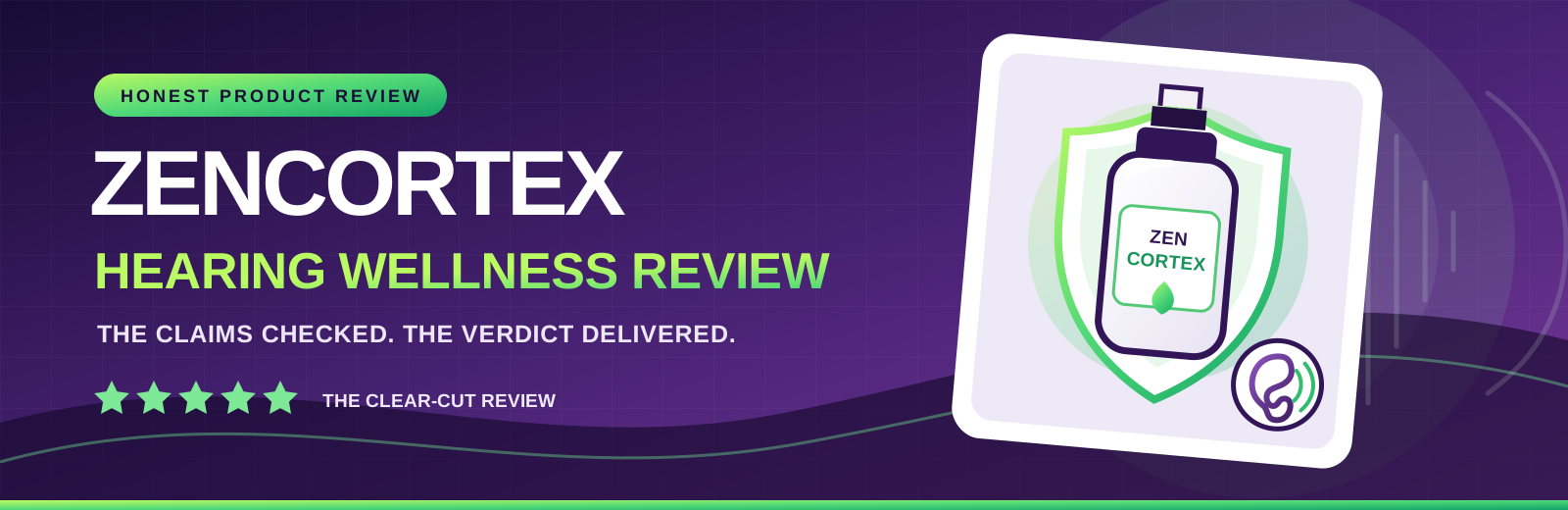
Hearing Formula Review Key Ingredients and User Experiences in 2026
What people really mean by “hearing formula” in 2026. Watch this video review of ZenCortex, with supporting context, key considerations and practical takeaways from the accompanying article.
What People Really Mean by “Hearing Formula” in 2026
When readers ask for a hearing formula review in 2026, they are usually not chasing a miracle. They are trying to solve a specific, stubborn problem: sounds feel muffled, speech is harder to follow in noise, or ear discomfort shows up more often than it used to.
In practice, most people want two things at once.
First, they want support for the ear's delicate systems, especially where hearing and sensitivity overlap with inflammation and oxidative stress. Second, they want something that fits real routines, because consistency is where most supplements either help or simply get abandoned.
The ZenCortex angle, based on the way people talk about it, is that it positions itself as a targeted hearing support formula rather than a general wellness product. That matters because “hearing formula effectiveness” is often less about one headline ingredient and more about how well the ingredient mix aligns with common ear-related issues and how people actually take it.
Key Ingredients: How They Are Supposed to Support Ear Health
I cannot verify internal manufacturing specifics or guarantee outcomes for any individual. What I can do is break down the logic behind common ingredient choices, and how an ingredient list tends to behave when someone uses a hearing support formula consistently.
Below is the ingredient-level lens I use when evaluating a hearing formula ingredients review.
- Antioxidant nutrients (often plant-based or enzyme-related): These are included to support the body's defenses against oxidative stress, a factor associated with age-related and noise-related hearing strain. You do not need to “feel” antioxidants working immediately, but many users report more stable comfort over time.
- Anti-inflammatory compounds (such as polyphenols): Inflammation can affect how the ear handles sound, especially when sensitivity is involved. The expectation here is gradual improvement rather than sudden changes.
- Ototrophic support ingredients (nutrients linked to metabolic energy): Some formulas lean toward compounds that support energy processes in tissues. This is particularly relevant for people who notice fatigue after loud environments, long commutes with traffic, or extended screen time.
- Barrier and circulation support (depending on the blend): While hearing is not only a blood flow story, the ear and surrounding tissues respond to overall circulation and tissue health. Ingredients in this category aim to support that broader environment.
Here is the practical trade-off to keep in mind: the more complex the blend, the harder it is for any one ingredient to dominate the experience. That is not a flaw. It just means the “hearing formula effectiveness” question should be framed as, “Does the overall mix fit the problems I recognize in my own ears?”
What I Look for Beyond the Label
In 2026, the real difference between formulas is rarely the presence of an ingredient alone. It is usually one of these:
- Dose realism: If the amounts feel too small to matter, people often lose patience.
- Form quality: Some nutrients are more bioavailable than others, and that affects whether a person reports anything at all.
- Interaction safety: People with allergies, reflux issues, or multiple prescriptions may react to specific botanicals even when the overall idea is sound.
If you are the type of person who needs predictable tolerance, read the ingredient list for allergens and check whether any components commonly trigger sensitivity.
User Experiences Hearing Formula: What Patterns Show Up
When I sift through user experiences hearing formula posts and real-world feedback, the same themes repeat, even when the details vary.
Most users do not describe hearing improvement as, “I can suddenly hear clearly again.” Instead, they describe changes that show up in day-to-day situations:
- Speech clarity in background noise improves first. People often notice conversations feel less exhausting, even if volume perception is not dramatically different.
- Comfort and ear “awareness” becomes quieter. Some users say they stop constantly checking whether their ears feel full or irritated.
- The timeline is longer than most people want. A lot of feedback clusters around a multi-week period where the effect becomes noticeable, then stabilizes.
One lived-experience pattern I hear from customers who stick with it is that they pair the formula with small hearing habits. For example, they reduce prolonged earbud exposure, take breaks during loud work shifts, or turn down audio a few notches instead of pushing through. The formula becomes a support system, not a replacement for care.
The Common Reasons People Stop Early
This is where many “best hearing support formulas” rankings go wrong. People quit because the expectation gets mismatched to reality. Here are the most typical triggers I see:
- They take it irregularly and expect immediate results.
- They try to solve multiple ear problems at once without changing any habits.
- They are already experiencing symptoms that need a medical evaluation and treat it like a supplement-only situation.
- They misread early changes, thinking “nothing is happening,” when the body is simply adjusting.
If you are monitoring progress, do it in a way that makes sense. Track a few everyday moments, like how you do during a grocery store line or during a podcast with background audio, instead of obsessing over quiet rooms at home.
How to Judge Hearing Formula Effectiveness Without Getting Misled
A good hearing formula review should help you make a decision, not just admire the ingredient list. In 2026, the best way to evaluate hearing formula effectiveness is to separate perception changes from actual hearing change, and to be honest about what “improvement” means to you.
Here are two practical ways people measure progress without turning it into guesswork.
- Use consistent listening scenarios: Choose the same daily situation, like morning news volume, and keep it steady.
- Track effort, not just sound: Many users say the improvement is that listening feels less tiring. That is still an outcome.
When Caution Matters
If you have sudden hearing loss, severe ear pain, drainage, dizziness, or one-sided hearing changes, a supplement should not be the first stop. Ear symptoms can have causes that need prompt evaluation. Even if you are curious about ZenCortex reviews & results, treat red flags as separate from supplement trials.
Also, if you take medications regularly, review ingredient sensitivities and consider how your body typically reacts to new botanicals, vitamins, or herbal compounds.
Is ZenCortex a Fit for Your Routine in 2026?
A ZenCortex-focused review makes the most sense when you ask, “Would this match my daily patterns and my ear-health goals?”
In my experience, the best match tends to be people who: 1. want structured support rather than a one-off remedy, 2. prefer gradual changes they can actually feel day to day, 3. are willing to keep their hearing habits reasonable while they try the formula.
The “best hearing support formulas” question is personal. If your main issue is brief muffling that comes and goes with congestion, you may need a different approach than someone dealing with long-term noise exposure effects. If your main issue is discomfort or sensitivity, the blend's anti-inflammatory and antioxidant logic becomes more relevant.
A Realistic Expectation Setting
If you are hoping for instant clarity after the first dose, you will likely feel disappointed. When people report meaningful changes, they usually describe a slow build: less strain, clearer speech comprehension, calmer ear sensations, and a noticeable difference in how listening fits into normal life.
That is the core theme behind user experiences hearing formula feedback. The results are not loud. They are steady.
Related video pages
 3:02ZenCortex Review: Reviewing Effective Daily Hearing Support Supplements in 2026
 2:38A Comprehensive Review of Treatments for Ear Ringing in 2026
 2:16Is a Tinnitus Supplement Worth It Honest Reviews and User Feedback
 2:28Daily Tinnitus Support Supplements Review Which Ones Work Best
 2:44Comparing Top Hearing Supplements Based on Customer Reviews in 2026
 2:23A Comprehensive Review of Astragalus and Its Health Benefits in 2026