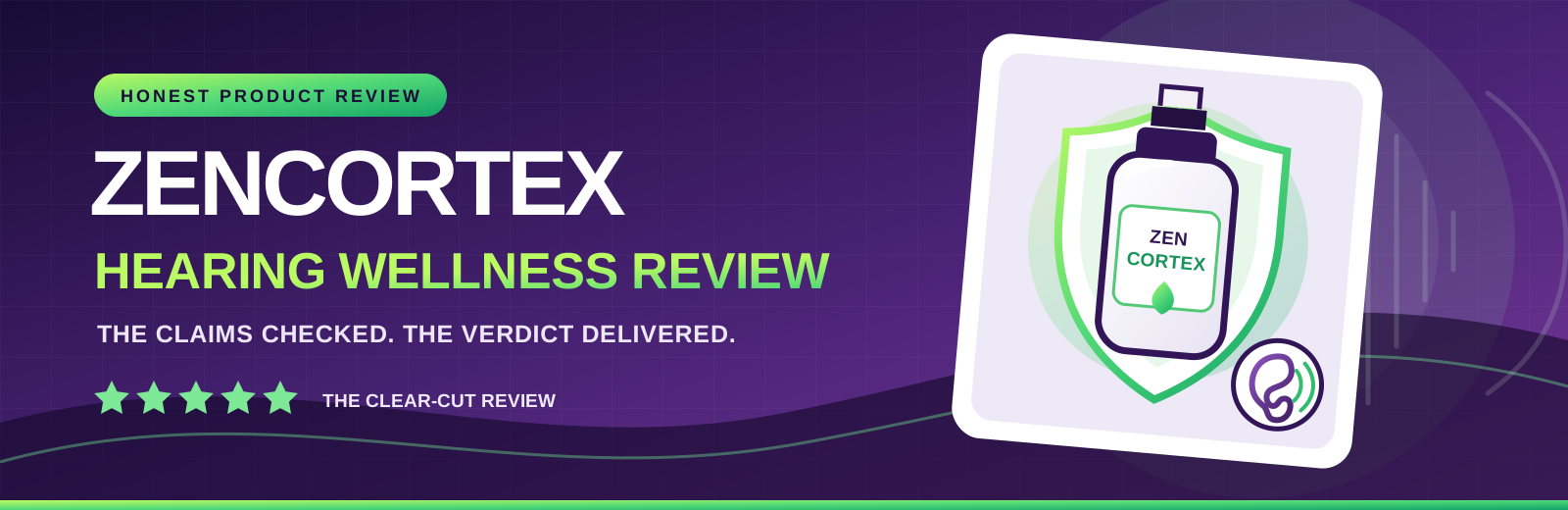
Is Ear Function Support Worth It Expert Opinions and User Reviews
What “ear function support” is trying to do. Watch this video review of ZenCortex, with supporting context, key considerations and practical takeaways from the accompanying article.
What “Ear Function Support” Is Trying to Do
When people search for an “ear function support” supplement, they are usually dealing with one of three realities: background noise feels harder to filter, speech in a crowd slips away faster than it used to, or they want to protect their hearing before symptoms escalate. The marketing language often frames these products around “supporting” hearing function, which is a careful word. It implies assistance, not a reversal of damage.
From a practical standpoint, most ear-focused formulas are built on two ideas. First, they target general ear health pathways through nutrients that are commonly linked with cellular protection and normal sensory function. Second, they aim to reduce the day-to-day strain that comes with noise exposure, fatigue, and lifestyle factors like stress and inconsistent sleep. You will notice this approach in how products are positioned in the ZenCortex Reviews & Results ecosystem: people are not claiming sudden transformation overnight, they are describing gradual changes in comfort, clarity, and consistency.
Still, it matters how you interpret “worth it.” For some readers, worth means “Will this help me hear better enough to justify the cost?” For others, it means “Is it reasonable to try something supportive while I also address noise habits and medical checks?”
What Ear Health Expert Opinions Tend to Agree On
Ear health expert opinions usually converge on a few hard truths, even when clinicians disagree on supplement specifics.
1) Supplements are not a substitute for hearing evaluation
If you are noticing a real decline, tinnitus, one-sided fullness, or pain, an audiology exam and medical assessment come first. Professionals tend to treat hearing loss like a system diagnosis, not a wellness project. A supplement might play a role afterward, but it should not delay the right evaluation.
2) Results, when they happen, are often modest and slow
If a product helps, most clinicians describe it as support for overall function and resilience rather than a dramatic jump in audiogram scores. People should expect a change in how listening feels, not a miracle outcome measured in weeks.
3) Noise exposure and ear protection still drive the biggest outcomes
This is where expert guidance is blunt. If someone is still getting hammered by concerts, loud headphones, power tools, or frequent high-noise commutes, a supplement becomes a smaller piece of the puzzle. In my experience helping friends and clients sort through options, the most meaningful wins often come from pairing a product with behavior changes, like lowering volume and using hearing protection during high-noise events.
4) Quality and ingredient transparency matter
Experts will typically look for clear labeling, sensible doses, and credible evidence for each ingredient's role. They are less impressed by broad ingredient lists that stack many compounds without a clear target.
A Real-world Litmus Test: How People Describe Change
What stands out in user reviews ear supplements is the language used around improvement. People tend to report things like clearer speech at normal volume, less listening fatigue during meetings, and a more stable sense of balance in daily routines. You will also see a smaller group saying they felt nothing, or that any perceived benefit faded when they stopped taking the product consistently.
That split is common in supplement categories because ear function is influenced by many variables. When someone says they noticed a shift, it is often tied to consistency, fewer high-noise sessions, better sleep, or a change in how they manage stress. In other words, the supplement is sometimes part of the story rather than the only actor.
What User Reviews Typically Reveal About ZenCortex-style “Ear Function Support”
In ZenCortex Reviews & Results discussions, patterns emerge that can help you decide whether ear function support effectiveness is plausible for your situation. I am not going to promise outcomes, but the recurring themes are useful.
Here are the most common user-reported categories of experience:
- Gradual clarity improvements: Many users describe speech sounding “less buried” or easier to follow after several weeks of consistent use.
- Reduced listening fatigue: People often mention they can work longer without feeling drained from sound.
- Tinnitus-related comfort: Some report quieter perception or less annoyance, though true tinnitus elimination is rarely claimed.
- No noticeable effect: A portion of users feel nothing, especially if their hearing challenges are linked to untreated medical causes.
- Expectation mismatch: Reviews sometimes include disappointment when someone expected rapid, dramatic gains.
If you are trying to interpret these user reviews, the most practical question is not “Did it work for others?” but “Do the reported benefits match my specific complaint?” Hearing clarity and listening fatigue often track together. Tinnitus comfort is more variable, and it depends heavily on the underlying driver.
The Trade-offs People Often Forget
The honest trade-offs are rarely the headline, but they matter:
- You may need a consistent routine before judging results
- You could spend money on something that overlaps with what you already get from diet
- If you have a condition that needs medical care, supplements will not replace that care
In my own experience reading through consumer reports, the users who felt the most satisfied usually treated the supplement as one component of a broader ear-care approach, not a replacement for medical evaluation or hearing protection.
How to Judge Whether It's Worth It for You
You can make a smart decision even without knowing your exact medical details. Start by matching the product's promise to your likely situation.
A Quick Self-check Before You Buy
Ask yourself these questions, because they predict how “worth it” will feel:
1) Are you dealing with gradual changes in clarity, or sudden symptoms like one-sided hearing loss, pain, or severe dizziness?
2) Do you have frequent noise exposure you can realistically reduce this year, not someday?
3) Are you willing to use it consistently long enough to evaluate it, rather than judging after a few days?
4) Have you had a hearing test within a timeframe that makes sense for your level of concern?
5) Do you understand that “support” usually means incremental help, not a cure?
If you answered “no” to the medical evaluation piece while you have red-flag symptoms, ear function support is probably not the main step to prioritize.
Practical Steps That Make Supplements More Meaningful
You can also improve your odds without changing your entire life. Consider these adjustments:
- Wear hearing protection during loud events, power tools, and frequent construction zones
- Keep headphone volume moderate, and take real breaks
- Track listening triggers like fatigue, stress, and long screen sessions
- Sleep consistently, because auditory processing often dips when rest is poor
- Reassess after a reasonable evaluation window, then decide whether to continue
These actions do not sound exciting, but they are the difference between “I tried something” and “I ran an experiment that respected how the ear actually works.”
Safety, Expectations, and Where ZenCortex Fit Tends to Land
With any ear-focused supplement, safety is part of the value equation. If you have allergies, take regular medication, or have a known medical condition affecting hearing, you should review the label carefully and speak with a clinician when needed. Many people focus only on whether it “works,” but a safe fit matters just as much.
Expectation management is also where ear function support often succeeds or disappoints. If someone is hoping for dramatic hearing restoration, they usually feel let down. If someone approaches it as a support strategy to improve daily listening comfort, the odds are better.
For readers exploring ZenCortex Reviews & Results, the most consistent takeaway is that the “worth it” decision depends on alignment. The product is most likely to feel worthwhile when it matches a user's baseline issue, is taken consistently, and is paired with sensible hearing protection habits. It is less likely to feel worthwhile if someone has untreated medical causes, continues heavy noise exposure, or expects instant, measurable changes.
Related video pages
 2:44Comparing Top Hearing Supplements Based on Customer Reviews in 2026
 2:28Hearing Health Review Evaluating Popular Supplements for Hearing Support
 2:16Is a Tinnitus Supplement Worth It Honest Reviews and User Feedback
 2:38A Comprehensive Review of Treatments for Ear Ringing in 2026
 2:19Herbal Tinnitus Remedy Review What Works for Ringing Ears in 2026
 2:23A Comprehensive Review of Astragalus and Its Health Benefits in 2026